
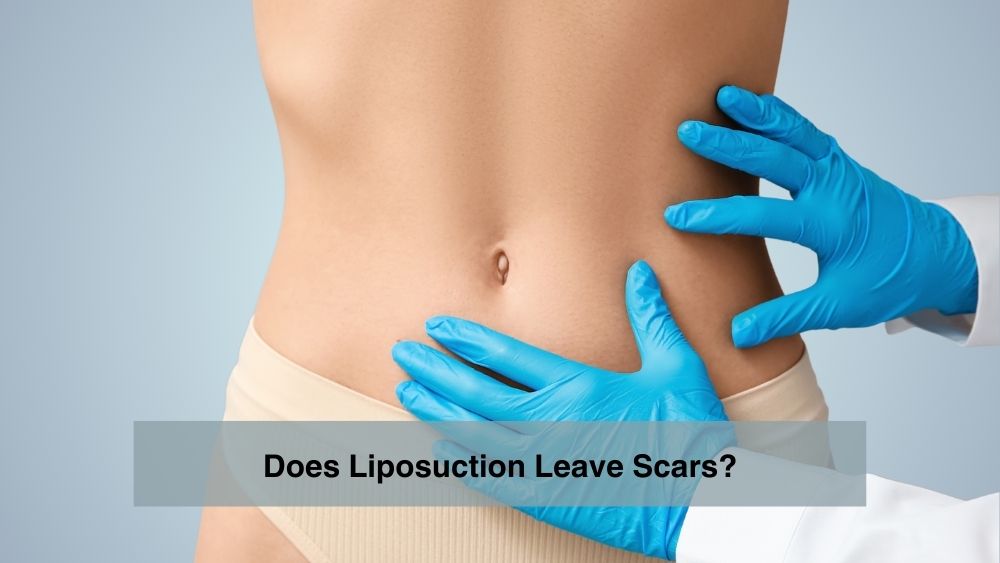
Does Liposuction Leave Scars is one of the most common questions people ask when considering this popular body contouring treatment at La Femme Plastic Surgery. Because liposuction is a surgical procedure, it’s natural to worry about scars, scar appearance, and whether those marks will be noticeable over time. During consultations with Dr. Mason, patients receive clear, honest guidance about costs, scarring, recovery, and what to realistically expect after liposuction.
The good news is that most liposuction scars are small and subtle when the procedure is performed correctly and followed by proper aftercare. Understanding how scars form and how to minimize scarring can help set realistic expectations before surgery.
Introduction to Liposuction

Liposuction is a popular cosmetic surgery procedure designed to remove excess fat from targeted areas of the body. Common treatment areas include the abdomen, thighs, hips, arms, chin, and back. Because the goal is fat removal and body contouring, many patients worry about whether liposuction leave scars afterward.
During the liposuction procedure, the surgeon makes tiny incisions to insert a surgical cannula that loosens and removes unwanted fat cells. These incisions are intentionally kept very small to reduce visible scars and support faster healing.
Understanding liposuction scars and how to manage liposuction scars after surgery is an important part of the decision-making process. A skilled plastic surgeon focuses on incision placement and technique to help minimize scarring and protect the surrounding skin.
Liposuction Incisions
Liposuction incisions are small, typically less than half an inch in length. These incisions allow the surgeon to insert the cannula needed for fat removal.
Key points about liposuction incisions include:
- Very small incisions placed in discreet locations
- Incision sites chosen to reduce noticeable scarring
- Small incisions that usually heal quickly
As incisions heal, they may appear as faint red marks at first. Over time, most incisions heal into tiny scars that blend with normal skin. For most patients, liposuction scars become less noticeable within a few months.
Types of Scars After Liposuction
Different types of scars may develop after liposuction surgery, depending on individual healing and skin type.
Hypertrophic Scars
Hypertrophic scars are raised scars that remain within the incision area. They can appear thick or red during early healing but often flatten and fade with time.
Keloid Scars
Keloid scars grow beyond the incision sites and may feel firm or itchy. Developing keloid scars is more common in patients with a genetic tendency or certain skin types.
Hyperpigmentation Scars
Hyperpigmentation scars appear darker than the surrounding skin. Sun exposure and UV rays can worsen these darkened scars if the skin is not properly protected.
Understanding hypertrophic and keloid scars helps liposuction patients prepare for recovery and choose appropriate scar reduction options.
Scarring Risks
Scarring occurs differently for every patient. Several factors can increase the risk of noticeable scarring after liposuction surgery.
These include:
- Skin type and genetics
- History of hypertrophic scars or keloid scars
- Excess sun exposure
- Poor wound care
- Smoking or poor nutrition
Sun exposure is especially important to manage, as UV rays can cause hyperpigmentation scars and darkened scars. Maintaining a healthy diet and practicing proper wound care support the healing process and reduce scar tissue buildup.
Minimizing Scars After Liposuction
Patients can take several steps to minimize scarring after liposuction.
Helpful strategies include:
- Following all post-operative instructions
- Keeping incision sites clean and protected
- Wearing compression garments as directed
- Using silicone gel sheets after incisions heal
- Avoiding sun exposure during healing
Proper wound care allows incisions to heal correctly and helps prevent raised scars or significant scarring. Many patients experience only slight scarring that continues to fade over time.
Treatment Options for Liposuction Scars
If scars become noticeable, several treatment options are available to help treat liposuction scars and improve scar appearance.
Laser Therapy
Laser therapy helps reduce raised scars, improve skin tone, and stimulate collagen production. It is commonly used for hypertrophic scars and hyperpigmentation scars.
Scar Creams and Silicone Products
Scar creams and silicone gel sheets hydrate the skin and soften scar tissue. These treatments are often recommended once incisions heal.
Dermabrasion
Dermabrasion can smooth raised scars and improve overall skin texture in certain cases.
These treatments can reduce prominent scars and improve overall results when used correctly.
Post-Surgical Care and Healing
Post-surgical care plays a major role in minimizing scars and supporting liposuction recovery.
Important aftercare steps include:
- Avoiding strenuous activity early in recovery
- Wearing compression garments
- Eating a healthy diet
- Attending follow-up appointments
For most patients, incisions heal well and scars from liposuction become small, flat, and less noticeable over time.
Reducing Long-Term Scarring Risks
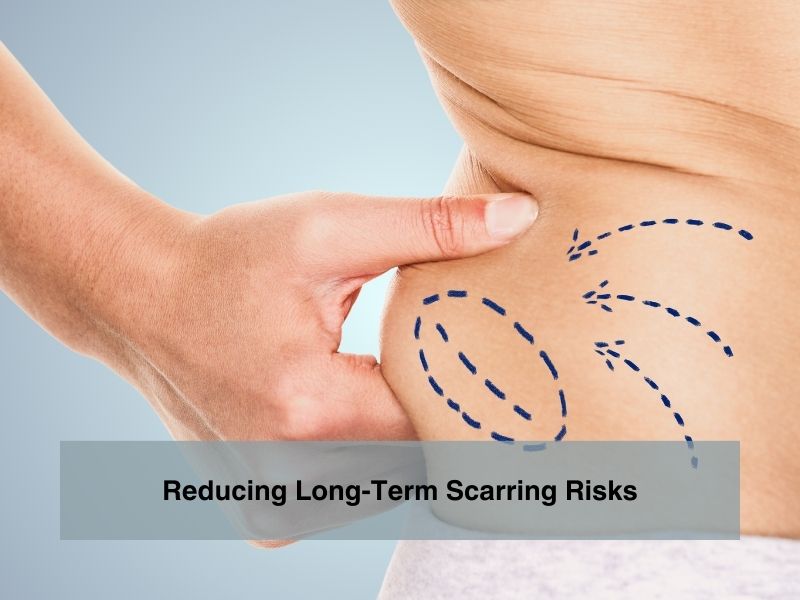
To reduce long-term scarring risks, patients should:
- Choose an experienced plastic surgeon
- Follow proper wound care instructions
- Avoid smoking
- Protect healing skin from sun exposure
- Use sunscreen once incisions have healed
These steps help prevent highly visible scarring and promote healthy healing of the surrounding skin.
Conclusion
Liposuction is an effective way to remove stubborn fat and improve body contours, but it’s important to understand that liposuction leave scars. Fortunately, most liposuction scars are minimal and fade significantly with time.
By choosing a skilled plastic surgeon, following proper post-surgical care, and using scar treatments when needed, patients can reduce scar visibility and support smooth healing. With realistic expectations and proper guidance, many patients achieve excellent results and feel confident after liposuction surgery.
FAQs: Does Liposuction Leave Scars?
Does liposuction leave scars permanently?
Liposuction does leave scars, but they are usually very small and fade over time. Most patients experience minimal scarring that becomes less noticeable with proper care.
What do liposuction scars look like?
Liposuction scars look like tiny dots or short lines near incision sites. As the healing process continues, they often fade and blend with normal skin.
Are stomach liposuction scars more noticeable?
Stomach liposuction scars are usually placed in discreet areas of the abdomen. Most patients experience minimal scarring rather than prominent scars.
Can liposuction scars be treated?
Yes, scars from liposuction can be treated with laser therapy, silicone gel sheets, or scar creams to improve scar appearance.
Who is at higher risk of keloid scars?
Patients with a history of developing keloid scars or certain skin types may be more prone to noticeable scarring. This should be discussed during the liposuction consultation.
Schedule Your Liposuction Consultation at La Femme Plastic Surgery
Choosing Liposuction is a personal decision, and a private consultation with Dr. Mason at La Femme Plastic Surgery can help you feel informed and confident.
During this visit, Dr. Mason will assess your goals, explain the liposuction procedure, and discuss expected results, recovery, and scarring. This personalized approach ensures your treatment plan is designed to safely remove unwanted fat while achieving natural, balanced body contouring results.