
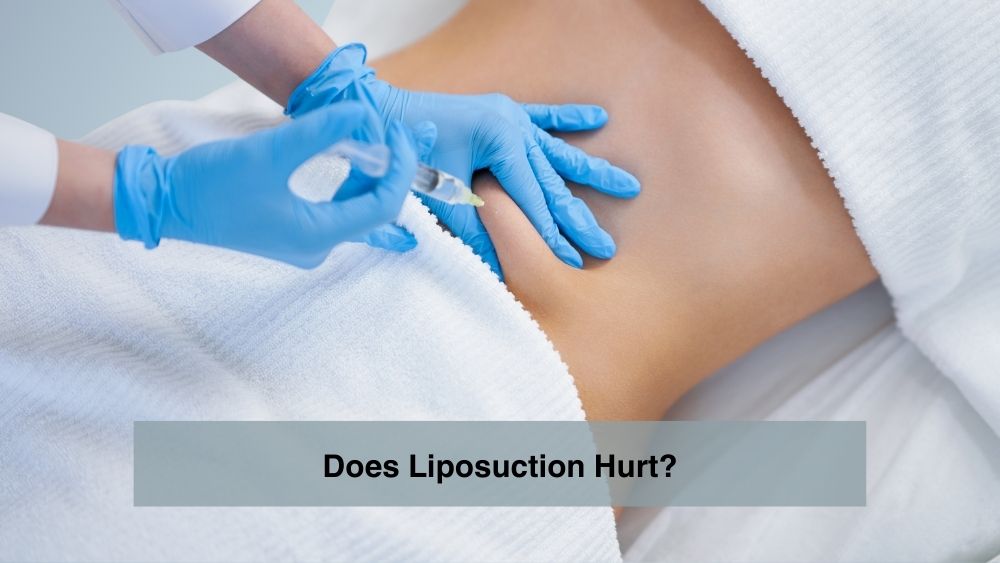
Does Liposuction Hurt is one of the first questions many patients ask when considering liposuction surgery at La Femme Plastic Surgery. While the idea of a surgical procedure can feel intimidating, most patients report that liposuction pain is manageable and improves steadily during the recovery period when the procedure is performed by an experienced, board-certified plastic surgeon. Many patients also bring liposuction questions about safety, discomfort, and long-term results to their consultation.
Liposuction is a popular cosmetic surgery designed to remove stubborn fat and improve body contouring. Understanding how pain works, what affects pain levels, and what recovery feels like can help patients set realistic expectations, including common concerns such as does insurance cover liposuction and what outcomes are achievable.
Introduction to Liposuction Surgery

Liposuction is a widely performed liposuction procedure used for removing stubborn fat deposits that do not respond to diet or intense workout routines. It targets unwanted fat to help reshape specific areas of the body, using different types of liposuction depending on patient needs.
This surgical procedure works by breaking down and removing fat cells from the treatment area, leading to smoother contours. Liposuction varies from patient to patient depending on goals, anatomy, and the extent of the procedure.
Understanding how liposuction works helps patients feel informed and prepared, especially when discussing expectations, limitations, and liposuction questions during consultation.
Liposuction Pain: Why Liposuction Hurt so Bad?
Liposuction pain is a common concern, but it differs from person to person. Pain tolerance, individual pain tolerance, and several medical factors all affect pain levels.
Pain may come from trauma to surrounding tissues, swelling, and pressure after surgery. Pain and discomfort are most noticeable during the early post operative phase.
Most patients find that discomfort is temporary and improves as the body’s natural healing process progresses.
Types of Liposuction
There are several liposuction techniques, each affecting recovery and discomfort differently. Understanding the types of liposuction helps patients know what to expect from both the procedure and healing phase.
Traditional Liposuction
Traditional liposuction removes fatty tissue using suction. It is effective for remove excess fat, but may result in more swelling and bruising.
Tumescent Liposuction
Tumescent liposuction uses a fluid containing local anesthesia that reduces bleeding and helps minimize pain. This technique often leads to moderate pain instead of severe discomfort.
Laser Assisted Liposuction
Laser assisted liposuction uses heat to soften fat cells before removing fat, which may reduce damage to surrounding tissues.
Ultrasound Assisted Liposuction
Ultrasound assisted liposuction uses sound waves to break down stubborn fat deposits, making them easier to remove and potentially reducing post operative discomfort.
An experienced surgeon will recommend the best approach based on patient needs.
Anesthesia Options
Anesthesia plays a major role in pain during the procedure.
Local anesthesia numbs the area and is often combined with local anesthesia with sedation for comfort.
IV sedation helps patients relax but may not fully eliminate pressure sensations.
General anesthesia ensures patients are asleep and feel no pain during surgery.
As anesthesia wears, patients may begin to feel pain, which is why pain medications are prescribed.
Preparing for Liposuction
Preparation helps minimize pain and supports a smooth recovery.
Patients are often advised to:
- Follow a healthy diet
- Avoid strenuous exercise
- Pause certain medications before surgery
Arranging help after surgery and wearing a compression garment immediately after the procedure can help reduce swelling and improve comfort.
The Liposuction Procedure
The liposuction procedure usually lasts several hours, depending on the extent of the procedure and treatment area size.
Small incisions are made, and a cannula is used for removing fat from targeted areas. The goal is to remove excess fat while protecting surrounding tissues.
Most patients do not experience pain during the procedure due to anesthesia.
Discomfort and Recovery
During the early post procedure phase, most patients experience temporary discomfort, soreness, and tightness.
Common recovery symptoms include:
- Swelling and bruising
- Pressure or pulling sensations
- Discomfort during recovery
This is considered normal and part of the healing process. Most discomfort improves within the first few weeks.
Liposuction Recovery
Liposuction recovery varies, but most patients return to light activity within days. The overall recovery time for liposuction depends on the treatment area, technique used, and individual healing response.
During the recovery process, patients should:
- Avoid strenuous exercise
- Limit heavy lifting
- Follow post-surgery instructions carefully
Patients find that discomfort is manageable, especially with proper pain management.
Healing and Aftercare
Healing continues for weeks as the body adjusts to removing fat. Wearing a compression garment helps minimize swelling and supports the treated area.
Aftercare may include:
- Prescribed pain medications
- Gentle movement
- Follow-up visits
Proper care reduces the risk of significant discomfort and supports long-term results.
Risks and Complications
Like all cosmetic surgery, liposuction carries risks. These may include infection, blood clots, or uneven healing.
Signs such as severe pain, increasing swelling, or redness should be reported immediately. Early care helps prevent complications.
Choosing a board certified plastic surgeon lowers risks significantly.
Liposuction Benefits and Results
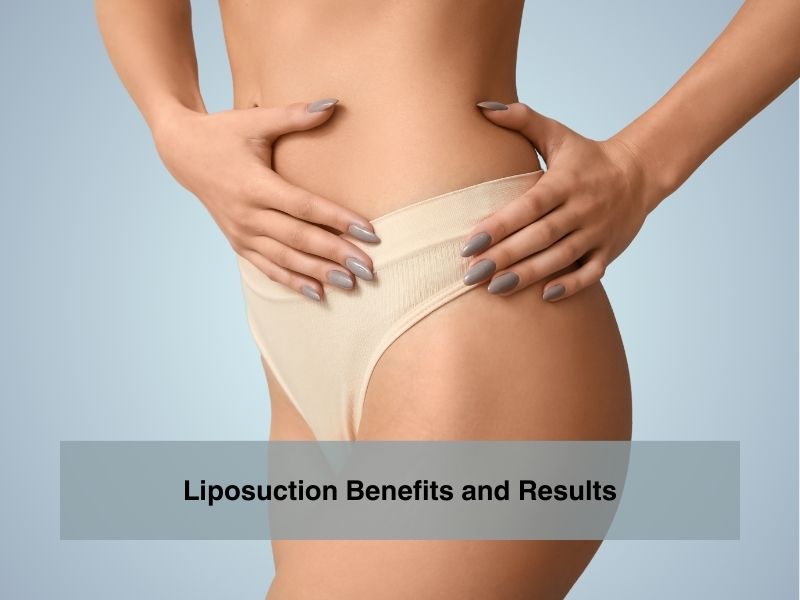
Liposuction helps eliminate excess fat and stubborn fat deposits, improving shape and confidence. However, patients should understand that liposuction can’t remove 100 pounds, and it is a common misconception, as liposuction is not intended for massive weight loss.
Results are long-lasting when paired with a healthy diet and stable weight. Liposuction is not weight loss, but targeted body contouring.
Finding the Right Surgeon
A skilled, board certified plastic surgeon plays a major role in comfort and outcomes, especially when choosing Dr. Mason La Femme Plastic Surgery for liposuction care.
An experienced surgeon uses refined surgical techniques that help minimize pain, reduce tissue trauma, and support a smoother recovery. Clear communication, personalized care, and trust between the patient and surgeon are essential for a safe procedure and satisfying results.
FAQS: How Bad Does Liposuction Hurt?
Does liposuction hurt during the procedure?
Most patients do not feel pain due to local anesthesia, IV sedation, or general anesthesia. Pain during the procedure is typically minimal.
How much pain is normal after liposuction?
Moderate pain and soreness are normal. Severe pain is uncommon and should be reported to your surgeon.
How long does liposuction pain last?
Most pain and discomfort improve within the first few weeks as the body’s natural healing process continues, aligning with typical recovery time for liposuction.
What affects pain levels after liposuction?
Several factors affect pain levels, including pain tolerance, treatment area, and the extent of the procedure.
Does wearing a compression garment help?
Yes, wearing a compression garment helps reduce swelling, supports healing, and improves comfort.
Do liposuction scars fade over time?
Liposuction scars are usually small and placed in discreet areas. For most patients, these scars fade gradually as the healing process continues. Proper post-operative care and following your surgeon’s instructions can help scars become less noticeable over time.
Schedule a Liposuction Consultation at La Femme Plastic Surgery
If you are considering liposuction to remove stubborn fat and improve your body contour, scheduling a consultation is the first step.
At La Femme Plastic Surgery, patients receive personalized care and a detailed evaluation to determine whether liposuction surgery is the right option for their goals. During your consultation, Dr. Mason will review the liposuction procedure, discuss treatment areas, explain recovery expectations, and answer liposuction questions related to comfort, healing, results, and whether does insurance cover liposuction in specific cases. This one-on-one visit helps patients set realistic expectations and move forward with confidence.