
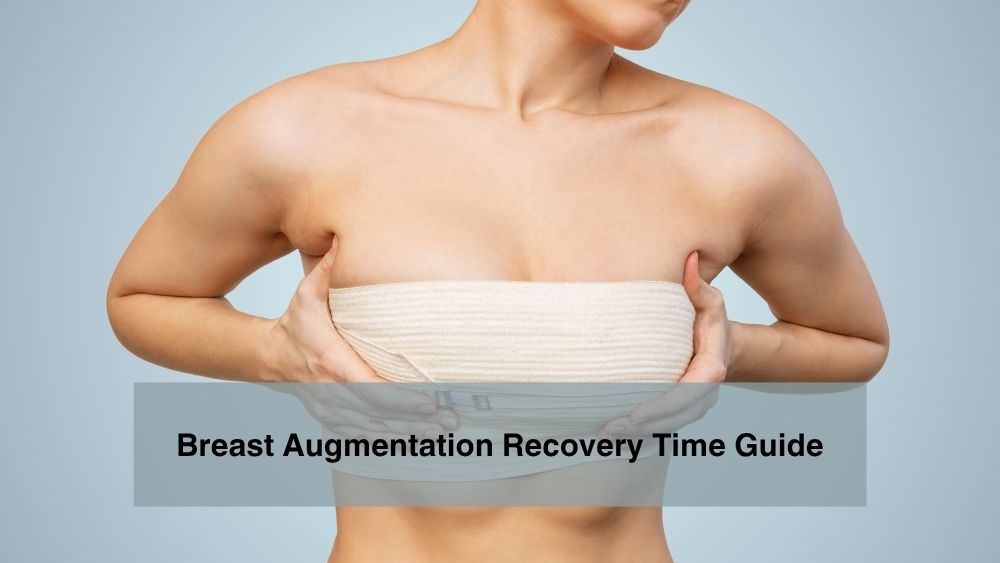
Breast augmentation procedure is one of the most popular cosmetic procedures worldwide, helping women enhance breast size, shape, and overall confidence. However, understanding breast augmentation recovery time is essential for anyone considering this transformative surgery. Every patient’s recovery process is unique, but knowing what to expect can help you prepare, manage expectations, and ensure a smooth healing experience.
At La Femme Plastic Surgery – Dr. Mason, our team provides personalized care and guidance to make your recovery as comfortable and successful as possible.
Preparing for Breast Augmentation Surgery
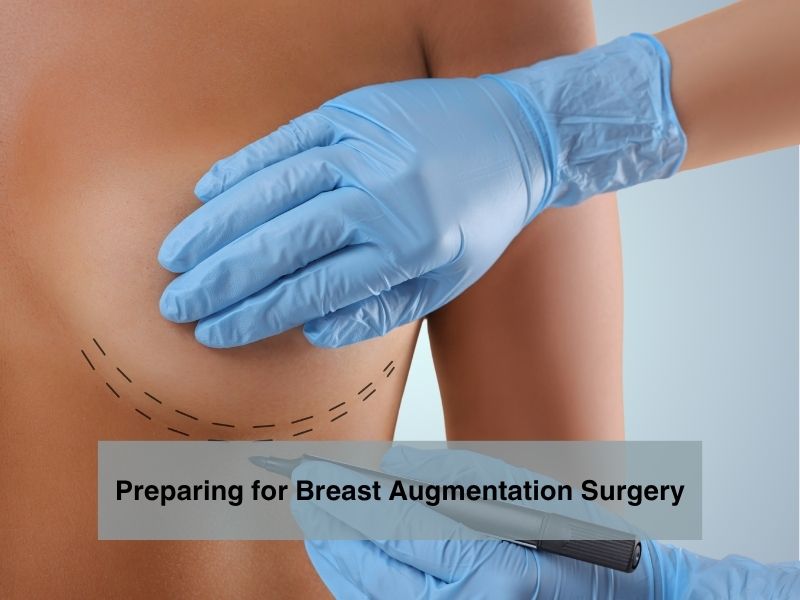
Preparing for breast augmentation surgery starts weeks before the actual procedure. A board-certified plastic surgeon will guide you through the pre-surgery prep, including lifestyle adjustments and medical evaluations.
Here are a few essential steps to take before surgery:
- Stop smoking at least four weeks before surgery to improve circulation and reduce the risk of complications.
- Stay hydrated and maintain a nutrient-rich diet to help your body heal faster.
- Arrange transportation and support—you’ll need someone to drive you home and help during the first few days post-surgery.
- Prepare a comfortable recovery space at home with extra pillows to keep your upper body elevated, easy-to-wear clothing, and any prescribed pain medication ready.
Following your surgeon’s postoperative breast augmentation care instructions before and after the procedure is key to a smooth recovery process and a successful outcome.
Understanding the Breast Augmentation Procedure
The breast augmentation procedure typically takes between one and three hours and is performed under general anesthesia. During surgery, the plastic surgeon makes small incisions—often along the breast crease or around the areola—to insert the chosen breast implants.
The type of implant (saline or silicone), placement method, and surgical skill of the surgeon all affect how the body heals and the overall recovery period. Once the implants are positioned correctly, the surgeon closes the incisions with sutures and places the patient in a supportive surgical bra to minimize swelling and provide comfort during the initial recovery phase.
Understanding what happens during the operation helps reduce anxiety and gives patients a clearer picture of what to expect in the post-surgery recovery period.
The Day of Breast Implant Surgery
On the day of your breast implant surgery, you’ll check in at the surgical facility after fasting for a few hours as instructed by your surgeon. The procedure is typically outpatient, meaning most patients go home the same day once the anesthesia fully wears off.
After the operation, you’ll spend some time in a surgical postoperative room for monitoring. Mild discomfort, tightness, or pressure around the chest area is common in the first few hours. Your surgeon may prescribe pain medication or muscle relaxers to ease any immediate soreness and help your body rest.
Wearing a surgical bra during this time helps to reduce swelling and support your breast tissue, ensuring proper blood flow and helping the implants settle into a natural position.
Immediate Post-Surgery Care
Proper postoperative care during the first few days is critical to the overall healing process. Here’s what to focus on:
- Rest: Allow your body to heal by limiting movement and avoiding strenuous physical activity.
- Medication: Take prescribed pain relievers or over-the-counter pain medication only as directed by your doctor.
- Position: Keep your upper body elevated to promote blood flow and minimize swelling.
- Incision Care: Follow your surgeon’s wound-care instructions carefully to prevent infection.
- Hydration: Drink plenty of water and maintain a light, healthy diet.
Avoid lifting heavy objects or raising your arms above your shoulders for at least one week after surgery. The first few days post-procedure set the foundation for the rest of your recovery timeline.
The First Week of Recovery
The first week of recovery is usually the most challenging. Swelling, bruising, and mild discomfort are expected, especially as your body adjusts to the new implants.
Most patients begin to notice that pain and swelling gradually subside by the end of the first week. It’s important to continue wearing your surgical bra, take pain relievers as prescribed, and rest as much as possible.
Your surgeon will likely schedule a follow-up appointment to check the incision site and make sure your healing is on track. Avoid strenuous activities such as chest exercises or heavy lifting during this period. Gentle lower body exercises or short walks can help maintain proper blood flow and prevent blood clots, but always follow your doctor’s medical advice.
The Augmentation Recovery Timeline
Although every patient heals differently, here’s a general overview of the breast augmentation recovery timeline:
Days 1–3: The Adjustment Phase
- Expect soreness, swelling, and mild bruising.
- Continue taking pain medication and keeping your upper body elevated.
- Rest and limit arm movement.
Days 4–7: Early Healing
- Swelling begins to lessen, though tenderness remains.
- Avoid strenuous activities and lifting.
- Continue wearing your surgical bra and follow wound-care instructions.
Weeks 2–3: Gradual Improvement
- Many patients resume light cardio activities or gentle exercise as advised by their surgeon.
- Bruising continues to fade.
- Sutures may dissolve or be removed during a follow-up visit.
- Resume normal routine activities if cleared by your surgeon.
Weeks 4–6: Recovery and Adjustment
- Implants begin to settle into a more natural position.
- Most patients return to work and normal daily routines.
- Strenuous physical activity can usually resume around week 6 after medical clearance.
- Any residual swelling typically disappears by this time.
Months 2–6: Final Results
- The breasts soften, scars begin to fade, and the final shape becomes visible.
- Always attend scheduled check-ups to ensure a successful outcome and long-term satisfaction.
A smooth breast augmentation recovery depends not only on the procedure itself but also on patient care, overall health, and the surgeon’s expertise.
Pain Management During Recovery
Pain and tightness are common after breast augmentation surgery, especially during the first week of recovery. To ease discomfort, your surgeon may prescribe pain relievers or muscle relaxers and recommend applying cold compresses to reduce swelling.
Over-the-counter counter pain relievers may be allowed for minor discomfort once prescribed medications are no longer needed. It’s important to follow your doctor’s medical advice closely and never exceed recommended dosages.
Remember that pain levels vary from patient to patient, and even the surgical skill of your doctor can affect recovery time and overall comfort.
Tips for a Smooth Breast Augmentation Recovery

- Follow all postoperative instructions from your board-certified plastic surgeon.
- Sleep on your back with your upper body elevated for the first few weeks.
- Avoid strenuous activities and any chest exercises until cleared by your surgeon.
- Wear your surgical bra or compression garment as directed.
- Eat nutritious foods and drink water to help your body heal faster.
- Stay patient—the healing process takes time, and final results may take months to appear.
Taking small steps daily toward recovery ensures you protect your investment and achieve lasting, beautiful results.
FAQs: Breast Augmentation Recovery Time
How long does breast augmentation recovery take?
The average breast augmentation recovery time is about 4–6 weeks. Most patients return to normal activities within two weeks, but strenuous activities should be avoided until your surgeon approves them.
When can I return to work after breast augmentation?
Many patients can return to work after about two weeks, depending on the nature of their job. If your job requires heavy lifting or intense upper body activity, you may need extra time before resuming full duties.
Schedule Your Consultation at La Femme Plastic Surgery
If you’re considering breast implants or want to learn more about what to expect during your breast augmentation recovery, we’d love to help. Schedule a consultation at La Femme Plastic Surgery with Dr. Mason to discuss your goals, recovery timeline, and the best approach to achieving beautiful, natural-looking results designed just for you.